
Marin · Generator Installation & Repair
Commercial Generators
Standby sets for offices, restaurants, medical suites, retail and light industrial, with the service contract that keeps them working.
Commercial Generators · Marin
What Commercial Standby Power Covers
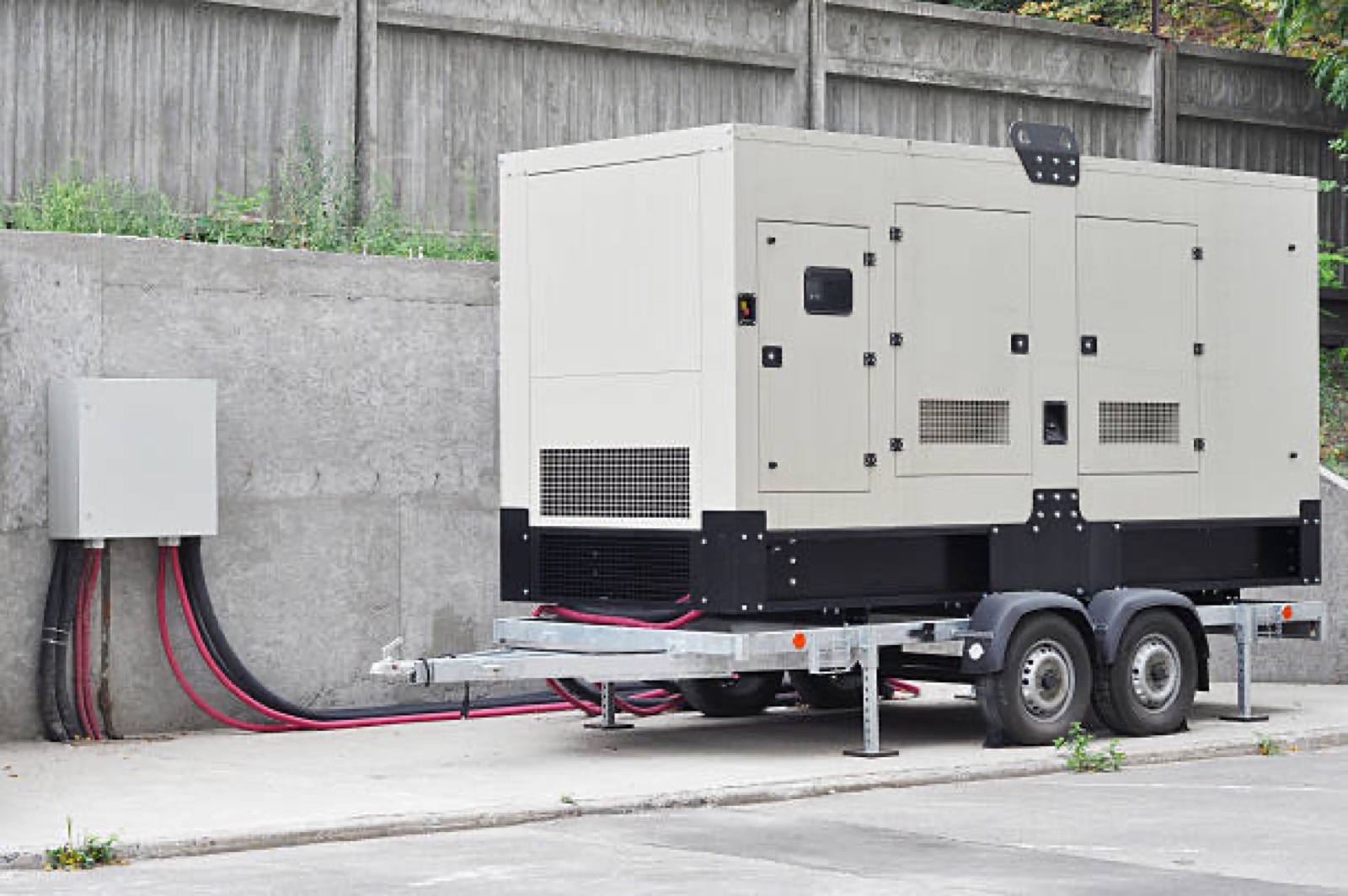
Commercial generators sit between the residential machines and the industrial ones, roughly 20kW to 150kW, usually three-phase, and typically on natural gas in town or diesel where the site needs independence from the gas network. In Marin they go into restaurants with walk-in refrigeration, medical and dental suites, veterinary clinics, pharmacies, small server and telecom rooms, retail with electronic point of sale, offices with lifts and life-safety systems, and the light industrial tenants around Kerner Boulevard, Larkspur Landing, Marinship and the Novato business parks. The engineering question is the same one as at home, only the consequences of getting it wrong are measured in a day of lost trading rather than a warm fridge. Most of these installations end up on a generator maintenance service agreement from day one, because a business that buys standby power and never tests it has bought a very expensive ornament.
Why Go With Us
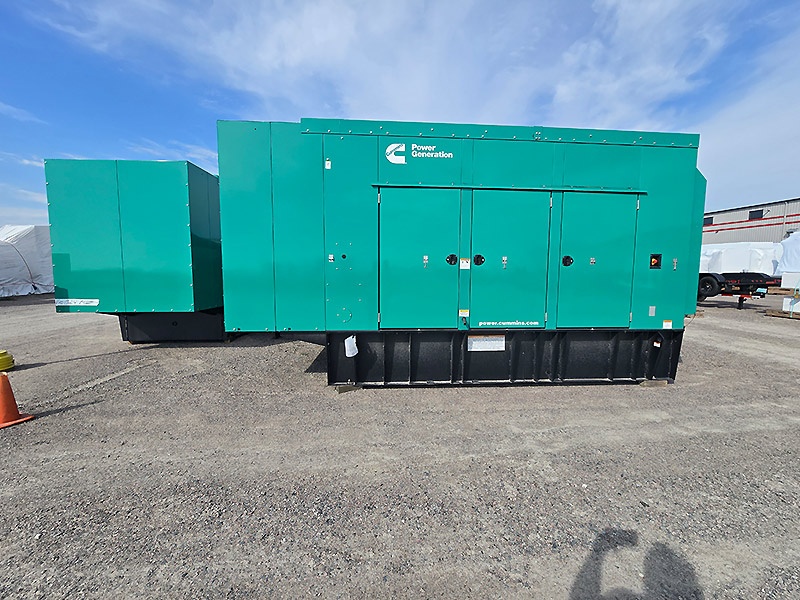
Commercial work is where the difference between a measured load and a guessed one shows up fastest. A restaurant that adds a second walk-in, an office that fills its server room, a clinic that installs an imaging unit: all of them change the load after the generator was specified, and none of them think to mention it. We meter rather than estimate where there is any doubt, we build the maintenance schedule into the proposal instead of selling it afterwards, and we do our own service work so the machine we specified is the machine we are still looking after in year eight. We also do the installs around your trading hours, which for a restaurant or a clinic is not a minor detail.
- Metered load recording over a working week where the load profile is unclear, rather than adding up nameplates.
- Installs scheduled around trading hours, including evening and weekend tie-ins for restaurants and retail.
- Commercial generator maintenance built into the proposal with defined visit intervals and response times.
- Life safety and fire alarm circuits handled to code, with the testing records the fire inspector will ask for.
- Natural gas, propane and diesel sets from Generac, Kohler and Cummins, chosen for the site rather than for our stock.
- Emergency generator service available out of hours, dispatched from one shop covering all ten towns.
Reasons A Business Needs Standby Power
The reasons that come up most often on a commercial quote:
Refrigeration you cannot afford to lose
A restaurant walk-in, a pharmacy fridge, a veterinary or dental practice with temperature-controlled stock. One long outage can write off more inventory than the generator cost to install.
You cannot take payment without power
Card terminals, point of sale, the network and the lighting that makes a shop legal to occupy. A retail business without power is simply shut, and a Saturday closure in December is not recoverable.
Patients or animals are on site
Clinics, dental surgeries, veterinary hospitals and care facilities have obligations that do not pause for a utility fault, and some of them have statutory standby requirements with prescribed testing.
The building has life safety systems
Fire alarms, emergency lighting, smoke control and lifts in a multi-storey building all carry code requirements for standby supply, and the fire inspector will ask for the test records.
A tenant or a contract requires it
Telecom and data tenants, laboratory subleases and some professional service contracts specify standby capacity and evidence that it is exercised. That obligation usually lands on the landlord.
Your street has a track record
Businesses in the wooded parts of the county and on the fringes of the distribution network see the same repeated outages the households around them do, with a payroll attached.
Send us the panel schedule or your last twelve utility bills and we can scope it before we ever visit. Call: 415-324-4858

How We Work
A site visit that opens the panel, a flat written price, permits filed by us, and a machine commissioned under load.
1. Survey and load assessment
We look at the service, the panel schedule and the equipment list, and where the profile is uncertain we fit recording meters for a week to capture the real peaks. Then we agree which loads are essential, which are desirable and which stay off, because that decision is what sets the size and most of the price.
2. Proposal and permits
You get a flat written price covering the machine, the transfer equipment, the civil work, the permits and the commissioning, with the maintenance schedule priced alongside rather than hidden. We file the electrical and mechanical permits and, on gas installations, the PG&E service work.
3. Installation around your hours
Most of the work happens without touching your supply. The tie-in and the transfer switch cut-over need a planned shutdown, and for restaurants, clinics and retail we do that overnight or on a closed day rather than mid-trade.
4. Commissioning and the service agreement
We prove the set under load, exercise the transfer in both directions, set the automatic test cycle, hand over the records, and start the maintenance schedule. Where the building has life safety obligations, the documentation is prepared for the inspector.
Sizing, Fuel, Testing And Service Agreements
What separates a commercial installation that works from one that only looks like it does:
Sizing a commercial set
Three-phase motor loads, lifts, HVAC compressors, refrigeration racks and any variable speed drives all behave differently from a house full of resistive loads. Starting surge, harmonic content and step loading decide the machine as much as total kilowatts do, which is why a metered week beats an afternoon with a spreadsheet.
Natural gas versus diesel for business
Gas generators suit town-centre sites with a good main: nothing to store, no refill and no fuel to degrade. Diesel suits sites that need independence from the gas network, need to accept large block loads, or sit where a gas supply upgrade is impractical. Diesel brings fuel storage, containment and an air district permit with it.
Automatic transfer and load shedding
A commercial transfer scheme can do more than switch everything across. Load shedding lets a smaller generator carry a bigger building by dropping non-essential circuits in a defined order when the machine approaches capacity, which is frequently cheaper than buying the next size up.
Commercial generator maintenance
A typical agreement covers two visits a year plus an annual load test: oil and filters, coolant analysis, fuel filters and sampling, battery test and replacement on age, transfer switch exercise, controller check, and a written report. Batteries and fuel are what actually kill standby sets, and both are addressed on schedule rather than on failure.
Code testing and record keeping
Buildings with emergency and legally required standby systems carry prescribed testing intervals and record keeping obligations. If your generator supports fire alarms, emergency lighting or lifts, someone will eventually ask for the log. We keep it and give you a copy after every visit.
Emergency generator service
When a set fails to transfer or will not start, a business needs an engineer now rather than on Thursday. We hold common consumables, batteries, filters and controller spares for the machines we look after, and contract customers get a defined response time rather than a place in the queue.
Temporary cover and commercial generator rental
During an installation, a replacement, a switchgear upgrade or a planned utility outage, a towable set on hire keeps the building trading. It is also the right answer for a seasonal load or a short-term site where a permanent machine cannot be justified.
What Commercial Generators Cost In Marin
A small three-phase installation for a restaurant, a clinic or a retail unit generally starts around $15,000 to $30,000 installed. Mid-sized office and light industrial systems commonly run $30,000 to $80,000. Above that the project starts to look like the industrial end of the market. The variables:
- The capacity, set by the metered load and the starting behaviour of your largest motor rather than by floor area.
- Whether load shedding lets a smaller machine cover the building, which is often the cheapest saving available on the whole project.
- Fuel choice. Gas is cheaper to install against; diesel adds tanks, containment and an air district permit.
- The transfer arrangement, including any separation of life safety, legally required and optional standby loads into separate switches.
- Civil and access work: the plinth, screening, acoustic treatment, cable routes and any structural or roof work.
- When we can work. Out-of-hours and overnight tie-ins to protect trading cost more in labour and are usually worth it.
Proposals are flat, itemised and include the permits, the commissioning and the first year of servicing so the running cost is visible from the start. Businesses needing short-term cover use our rental fleet, the same crews handle emergency generator repair on sets we did not install, and the standby power we install and maintain runs from a single circuit to a megawatt.
Frequently Asked Questions
What size generator does my business need?
It depends on which loads you decide are essential and how they start rather than on the size of the building. A restaurant might need 30kW to 60kW to carry refrigeration, ventilation, lighting and point of sale. A medical suite with imaging equipment can need more than a much larger office. Where the profile is unclear we fit recording meters for a week, because three-phase motor starting and step loading set the requirement more than total kilowatts do.
How much does a commercial generator cost to install?
A small three-phase system for a restaurant, clinic or retail unit generally runs $15,000 to $30,000 installed. Mid-sized office and light industrial systems commonly land between $30,000 and $80,000. The machine itself is usually less than half of that once the transfer equipment, the civil work, the fuel system, the permits and the commissioning are included, which is why a quote given over the phone is not worth much.
How often does a commercial generator need servicing?
Twice a year as a rule, plus an annual full-load test and the automatic weekly or monthly exercise run the controller does on its own. A typical agreement covers oil and filters, fuel filters and sampling, coolant analysis, a battery test with replacement on age rather than on failure, a transfer switch exercise and a written report. Batteries and degraded fuel cause the large majority of failed starts, and both are schedule items.
Is standby power required by code for my building?
It depends on the occupancy. Healthcare, high-rise buildings, certain assembly occupancies and buildings with specific life safety systems carry requirements for emergency or legally required standby power, with prescribed testing intervals and record keeping. Most ordinary offices, shops and restaurants have no obligation and install standby power for commercial reasons. We will tell you which category you are in before you spend anything.
Can you install without closing the business?
Nearly all of it, yes. The pad, the machine, the conduit and the cabling go in while you trade. Only the final tie-in and the transfer switch cut-over need the supply down, and for restaurants, clinics and retail we schedule that overnight or on a closed day. We agree that window before the job starts rather than negotiating it on the day.
Do you service generators you did not install?
Yes, and a good share of our contract base came to us that way. We service Generac, Kohler, Cummins, Caterpillar and the other major brands regardless of who supplied them. The first visit on an inherited machine is a full assessment: load test, fuel sample, battery test, controller check and a written report on what it needs, before any schedule is agreed.
What happens if our generator fails during an outage?
Call us. We carry common filters, batteries, belts and controller spares for the machines we maintain, and contract customers have a defined response time rather than a place in the general queue. Where the fault cannot be fixed on the visit and the building cannot trade without power, we can put a rental set in place while the repair is completed.
Need power in Marin?
An address, a panel size and a rough list of what has to keep running is all we need. We call back inside one business hour with a free estimate and a flat price.
Or call us now: 415-324-4858