
Marin · Generator Installation & Repair
Backup Generators
Back-up power sized to what actually matters in your house, from an essential-circuits system to a full standby set.
Backup Generators · Marin
What Back-Up Power Actually Needs To Cover
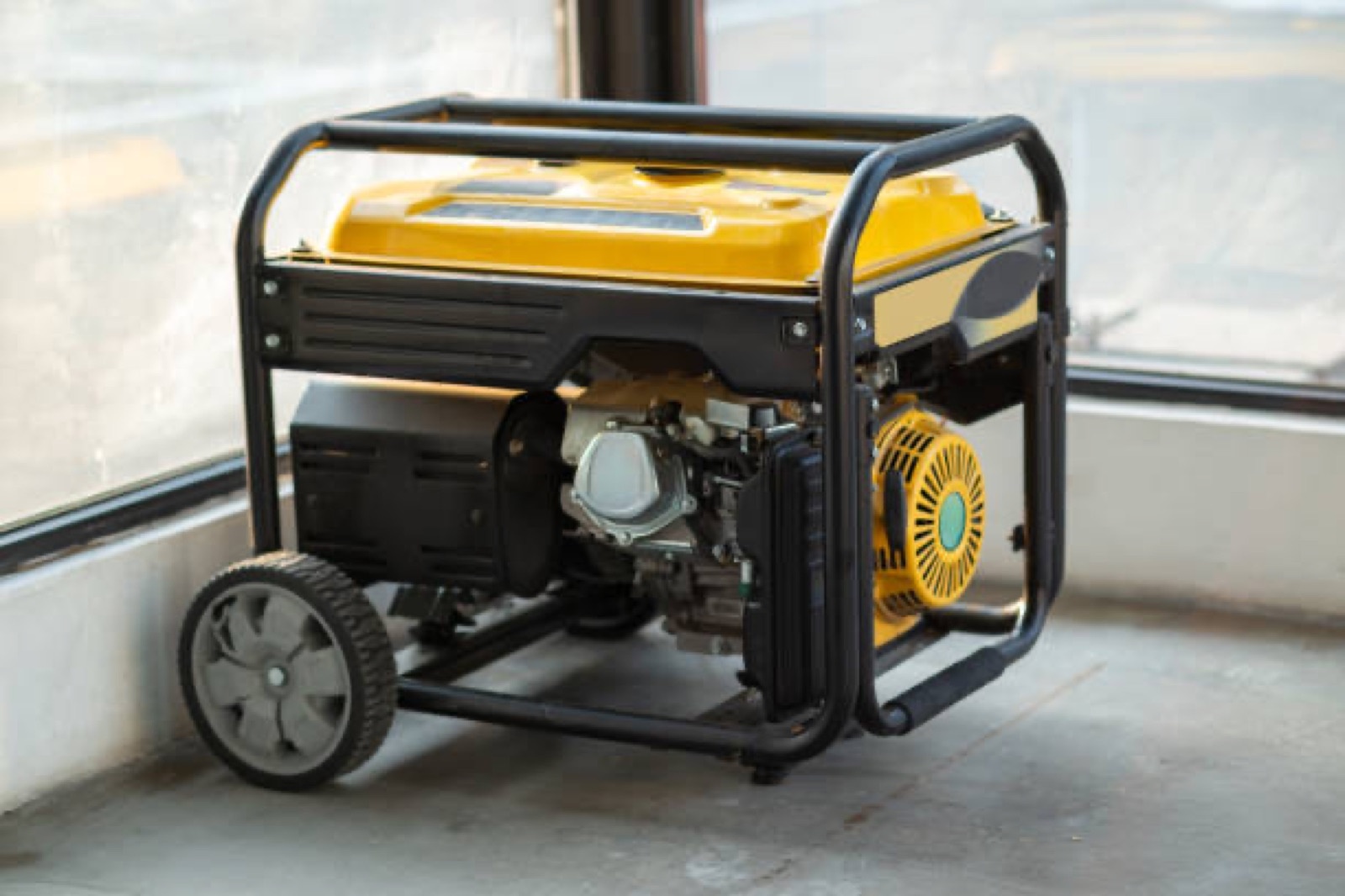
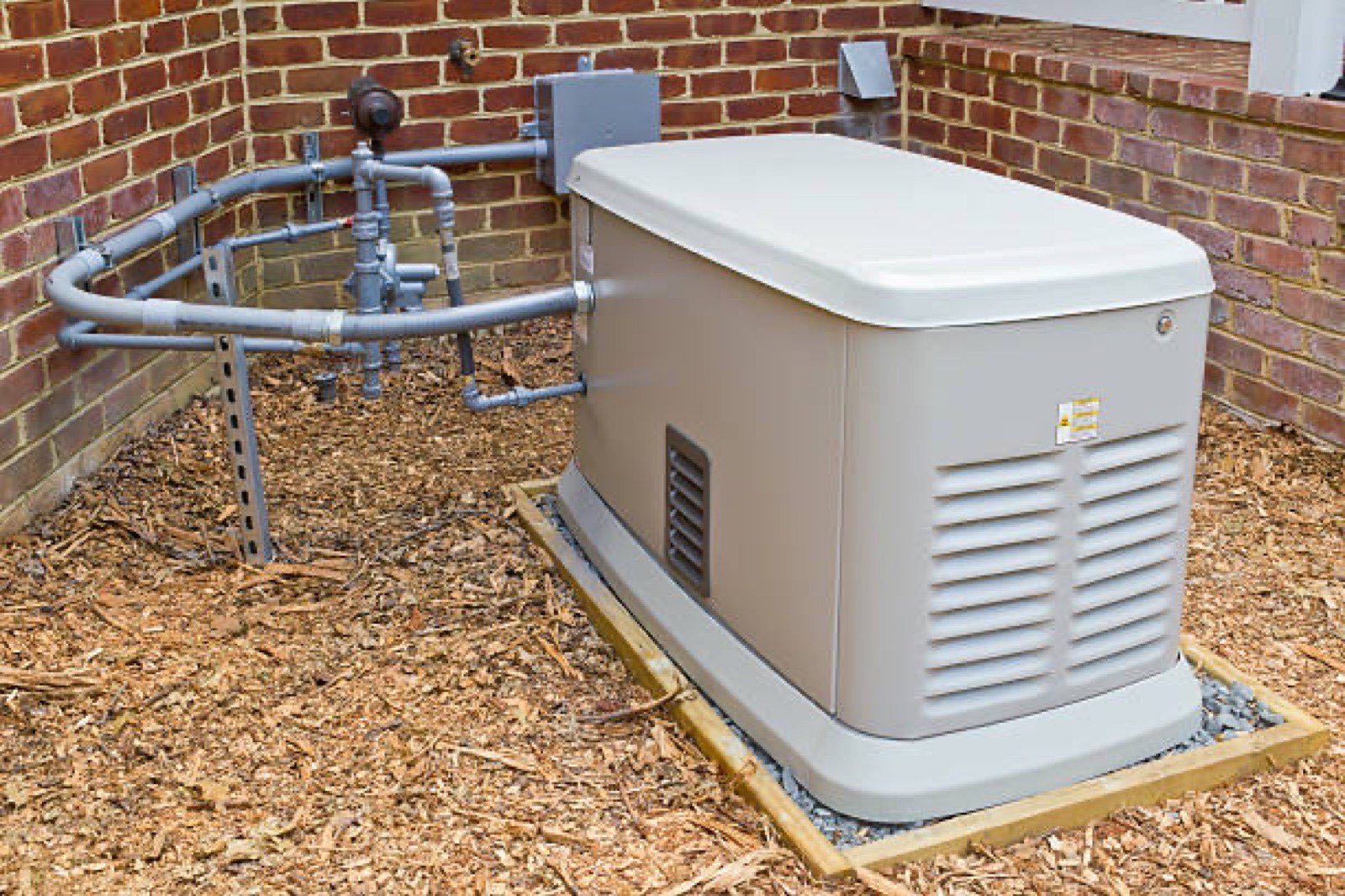
Back-up generators come in two genuinely different forms, and choosing between them is most of the decision. A permanently installed standby set lives outside on a pad, runs on natural gas or propane, starts on its own within seconds of an outage and needs nobody at home. A portable unit lives in the garage, runs on gasoline or propane from cans, has to be wheeled out, started and connected, and covers a handful of circuits through an interlock or a manual transfer switch. Both are legitimate answers to different budgets and different outage patterns. What is not legitimate is running extension cords through a window, or backfeeding a dryer outlet with a suicide cord, which is illegal, kills utility workers and is still surprisingly common in this county. We install both kinds properly across Marin, and the conversation starts with what has to keep running rather than with a machine. Where the answer turns out to be the entire property, that is a whole house generator and the sizing goes up accordingly.
Why Go With Us
Back-up power is the part of this trade where people are most often sold the wrong size, in both directions. An undersized machine trips out the first time the well pump and the refrigerator start together, which is exactly the moment it was bought for. An oversized one wet-stacks from running at light load, costs thousands more than it needed to, and is harder to site on a Marin lot. We would rather spend an hour on your load list than sell you the unit at the top of the page, and because we do our own service work we live with the consequences of the specification for years afterwards.
- A load list built from your panel and the starting surge of your biggest motor, which is the number that decides whether the system works.
- Honest advice on portable versus permanent, including telling people a portable unit and a proper interlock is enough for their situation.
- Manual and automatic transfer switches installed to code, so nothing you own ever backfeeds a line a utility crew is working on.
- Essential-circuit designs that let a smaller, cheaper machine carry the things that actually matter.
- Battery and solar systems taken into account rather than ignored, because plenty of Marin homes now have both.
- One shop in San Rafael covering all ten towns, so the crew that specified it is the crew that comes back to service it.
Reasons To Put In Back-Up Power
These are the situations that bring people to us:
The outages have become routine
Three or four in a bad year is normal on the wooded streets in Fairfax, San Anselmo, Mill Valley and the upper valley. Once a household has thrown away a freezer full of food twice, the arithmetic changes.
The house cannot be left cold
A heating system that stops in January risks pipes, and a house with nobody in it during a winter outage is the scenario that turns an inconvenience into an insurance claim.
You work from home
A day without power is a day without income for a lot of people here. Covering the office circuits, the network and the router is a small system and an easy justification.
There is medical equipment in the house
Oxygen concentrators, CPAP machines and refrigerated medication all need continuity rather than a best effort. This is the one case where we would always recommend an automatic system over a portable one.
You have a portable unit already and it is not working out
Wheeling a machine out in the rain at two in the morning, keeping fuel fresh, and finding the cords is a chore people do twice before they call us. Often the fix is a transfer switch and an inlet rather than a whole new system.
You are away from the property regularly
A second home, a rental or a house you leave for weeks at a time cannot rely on somebody being there to start a generator. Automatic is the only answer that works when nobody is home.
Give us a rough list of what must stay on and we will tell you what size that is and what it costs. Call: 415-324-4858
How We Work
A site visit that opens the panel, a flat written price, permits filed by us, and a machine commissioned under load.
1. Working out the load
We open the panel, go through the breakers with you and separate them into three groups: must run, would like, and can wait. Then we add the starting surge of the largest motor on the must-run list, because a well pump or an air conditioner draws several times its running current for the first second.
2. Choosing the machine and the switch
That load list decides the size, and the size plus your budget decides whether it is a permanent standby set, a portable unit with an inlet and interlock, or an essential-circuits system with a managed transfer switch. We price the options rather than presenting one.
3. Installing it
Permanent systems get a pad, a gas connection, an automatic transfer switch and a permit. Portable systems get a generator inlet box, a manual transfer switch or a listed interlock kit at the panel, and the same permit and inspection, because that work is exactly as notifiable as the bigger job.
4. Testing and handover
We run it under load, watch it transfer, and then have you do it yourself while we watch, because a system nobody has practised with is a system that fails on the night. You get the run-through, the paperwork and a service reminder.
Portable, Standby, Batteries And Transfer Switches
The parts of the decision worth understanding before you spend anything:
Portable versus standby generators
A portable unit costs a few hundred to a few thousand dollars, runs on gasoline or propane, produces roughly 3kW to 12kW, and requires somebody present to deploy and refuel it every several hours. A standby set costs several thousand installed, runs on the gas main or a propane tank, produces 10kW to 60kW or more, and starts itself in under thirty seconds with nobody home. Portables suit occasional short outages and tight budgets; standby suits repeated, long or unattended ones.
Essential circuits versus the whole panel
Covering a selected subpanel rather than the entire service lets a much smaller machine do the job that matters. Refrigeration, heating, well or booster pump, network, a few lights and outlets is a surprisingly short list, and building the system around it is usually the difference between a five-figure quote and a four-figure one.
Transfer switches and interlocks
Every legitimate connection between a generator and a house passes through a transfer switch or a listed panel interlock, which guarantees the two supplies can never be connected at the same time. Automatic switches do it themselves; manual ones need a lever thrown. Both are permitted, inspected work, and neither is optional.
Batteries alongside a generator
A home battery covers a two-hour evening outage silently and covers nothing on day three. A generator is loud, needs fuel and will run indefinitely. The pairing works well when it is designed deliberately, with the battery carrying the load and the generator recharging it, but not every inverter accepts generator input so it has to be checked rather than assumed.
Fuel and run time
A portable on gasoline runs eight to twelve hours per tank and needs fuel stored and rotated. Propane stores indefinitely and a 500-gallon tank will typically carry a mid-sized standby set for several days. Natural gas has no ceiling at all as long as the main is pressurised, which is why it is the default for permanent systems in town.
Brands and inverter units
Champion generators and the other well-known portable brands cover the lower end sensibly, and inverter models are quieter and produce cleaner power for electronics. At the permanent end, Generac, Kohler and Cummins are the machines we install and service most. We are happy to work on whatever is already in place rather than insisting on a replacement.
What Back-Up Power Costs In Marin
The range here is wide because the two ends of the market are genuinely different products. A portable unit with an inlet box and a proper interlock installed comes in around $1,500 to $4,000 all in. A permanent essential-circuits standby system runs roughly $5,000 to $9,000. A full whole-property system goes from there up to $15,000 and beyond on the larger liquid-cooled sets. What moves it:
- Automatic or manual. The transfer switch and the permanent gas and electrical work are most of the difference between the two ends of that range.
- How much of the house you cover. An essential-circuits design is dramatically cheaper than a whole-panel one for the same brand of equipment.
- The condition of your existing service. Older Ross Valley and San Anselmo panels frequently need upgrading before they can take a whole-panel switch.
- Fuel. Natural gas is the cheapest to install against; propane adds a tank, a pad and setback work; gasoline means storage and rotation instead.
- Where the equipment goes. A short run from the panel to a flat side yard is a straightforward day. A hillside position in Sausalito or Mill Valley is not.
- Whether a battery system is already in place, which can either simplify the design or add integration work depending on the inverter.
We quote the options side by side rather than one number, so you can see what the extra spend actually buys. Larger properties usually end up on the whole house generator path, businesses on the commercial generator one, and everything we fit gets the same generator maintenance service afterwards. The whole range of standby power for homes and business is worth a look before you settle on a size.
Frequently Asked Questions
What is the difference between a portable and a standby generator?
A portable unit is a machine you store, wheel out, start by hand and refuel every eight to twelve hours, typically producing 3kW to 12kW on gasoline or propane and connecting through an inlet box and interlock. A standby set is permanently installed outside, runs on natural gas or propane, produces 10kW to 60kW or more, and starts itself within thirty seconds of an outage with nobody home. The practical dividing line is whether anyone will reliably be there to deploy it.
Can I just run extension cords from a portable generator?
For a couple of appliances, yes, provided the cords are rated for it and the generator is outside and well clear of any window or vent, because carbon monoxide from a machine run in a garage or under a deck kills people every winter. What you must never do is plug a generator into a wall or dryer outlet to feed the panel. That backfeeds the utility line and can electrocute the crew repairing it. A proper inlet and interlock costs a fraction of what most people expect.
How long can a backup generator run continuously?
A permanently installed unit on natural gas can run for days on end, effectively as long as the outage lasts, with a break for an oil service on very long runs. On propane, run time comes down to tank size: a 500-gallon tank will typically carry a mid-sized standby set for two to five days depending on load. A portable on gasoline runs eight to twelve hours per tank, which means refuelling twice a day and keeping fuel stored safely.
Will a backup generator run my whole house?
It can, if it is sized for it and your electrical service will take a whole-panel transfer switch. Many people are better served by an essential-circuits design covering heating, refrigeration, water, network and lighting, because it needs a much smaller machine for a much smaller price. The item that most often forces the size upward is air conditioning, followed by a well pump and pool equipment.
Does a backup generator need a transfer switch?
Any generator connected to your house wiring does, whether that is an automatic transfer switch or a manual one or a listed interlock kit at the panel. It is what guarantees the generator and the utility supply can never be live at the same time. It is required by code, it is inspected, and it is the part that keeps a line worker alive.
Should I get a battery instead of a generator?
They solve different halves of the problem. A battery is silent, needs no fuel and typically carries a house for a few hours to a day. A generator is noisy and needs fuel but will run for as long as the outage lasts. In a county that regularly sees multi-day storm and shutoff events, plenty of households end up with both, configured so the battery carries the load quietly and the generator recharges it.
How often does a backup generator need servicing?
Once a year for a residential standby set, or every 100 to 200 running hours if it has done a lot of work, plus the weekly self-test which happens on its own. Portable units need the oil changed every 50 to 100 hours and the fuel stabilised or drained if they are going to sit. Skipping the annual visit is the reason most generators that fail during an outage fail.
Need power in Marin?
An address, a panel size and a rough list of what has to keep running is all we need. We call back inside one business hour with a free estimate and a flat price.
Or call us now: 415-324-4858